
BP Tree Services Blog
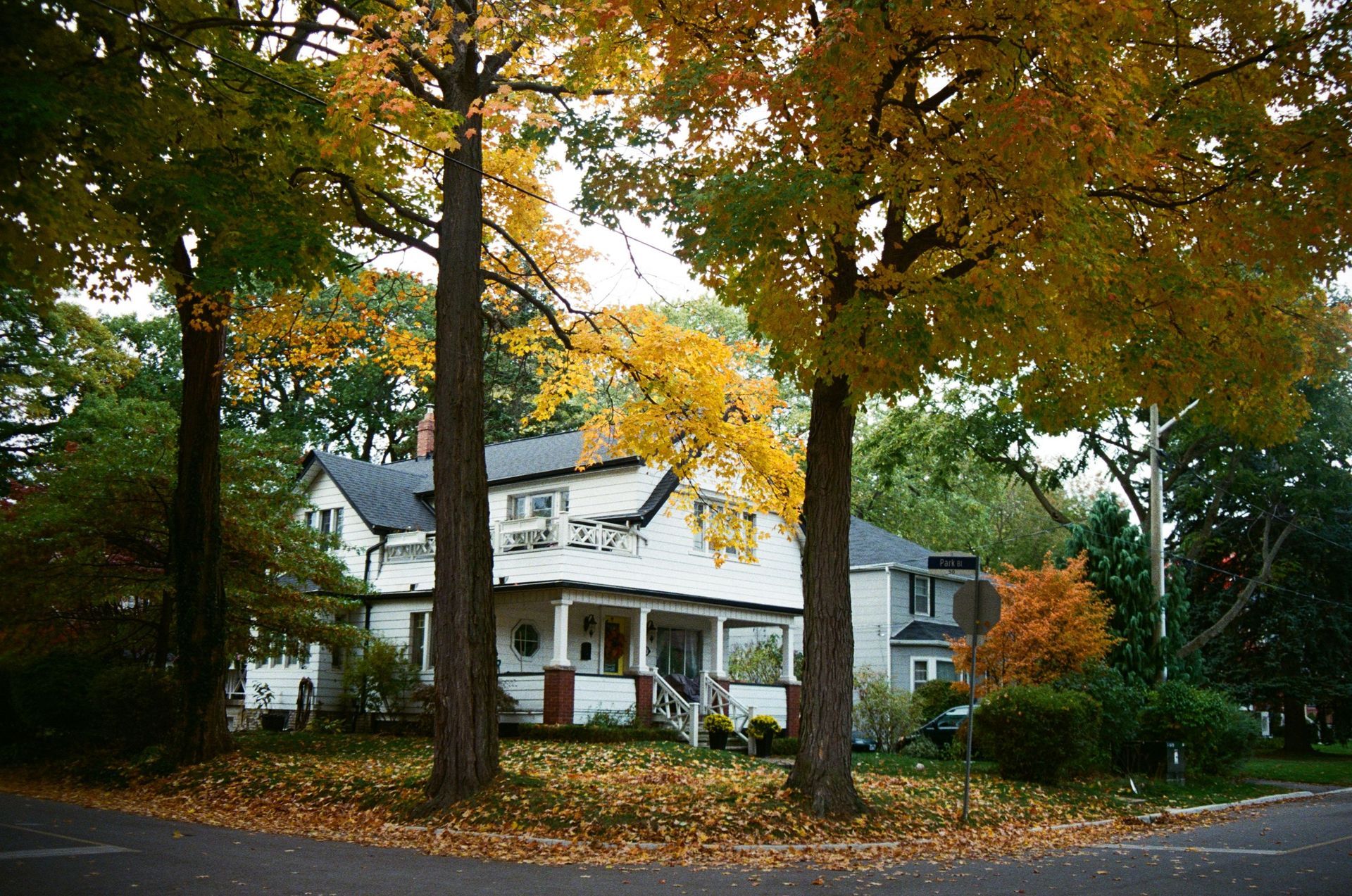
Strong winds can put considerable stress on trees, particularly those that are unhealthy, structurally compromised, or growing in unstable soil. Although even healthy trees can sustain storm damage, certain warning signs indicate that a tree may be at significant risk of uprooting or breaking during high winds. Recognizing these problems early can help you protect your property and keep you safer. At BP Tree Services, our local arborists are experts at identifying and safely removing hazardous trees. Here are four indications that a tree may be dangerously vulnerable to toppling during a storm. The Tree Has Developed a Noticeable Lean A tree that suddenly begins leaning or gradually develops a more pronounced angle may have an unstable root system or compromised structural support. Pay particular attention if the ground around the base appears raised, cracked, or disturbed. These conditions can indicate that the roots are shifting and may no longer be securely anchoring the tree. A professional arborist should evaluate a leaning tree, especially if its position has recently changed. The Trunk Has Large Cracks Deep cracks and significant cavities in a tree's trunk can weaken its ability to withstand strong winds. These structural defects may make the trunk more likely to separate or break when exposed to heavy gusts. Trees with multiple trunks can be especially vulnerable when the connecting area has developed a substantial crack or weak attachment. It’s best to have an experienced arborist assess these issues before severe weather arrives. The Root System Shows Signs of Damage or Decay A healthy root system provides the foundation that keeps a tree upright during storms. But construction activity, soil compaction, excavation, and root disease can compromise this essential support. Mushrooms growing near the trunk, visible root damage, or soft, decaying wood around the base may indicate serious problems. An arborist can evaluate the root zone and determine whether the tree remains structurally stable. The Trunk Shows Signs of Internal Decay Extensive internal decay can significantly weaken a tree without always being obvious from the outside. Fungal growth, hollow areas, damaged bark, and cavities may indicate deterioration within the trunk. A weakened trunk may be unable to withstand the forces generated by strong winds. Hazardous Tree Removal in Sacramento, CA For an experienced arborist in Sacramento and the surrounding area, contact BP Tree Services at (916) 722-6321. Feel free to give us a call to arrange an arborist estimate in greater Sacramento!
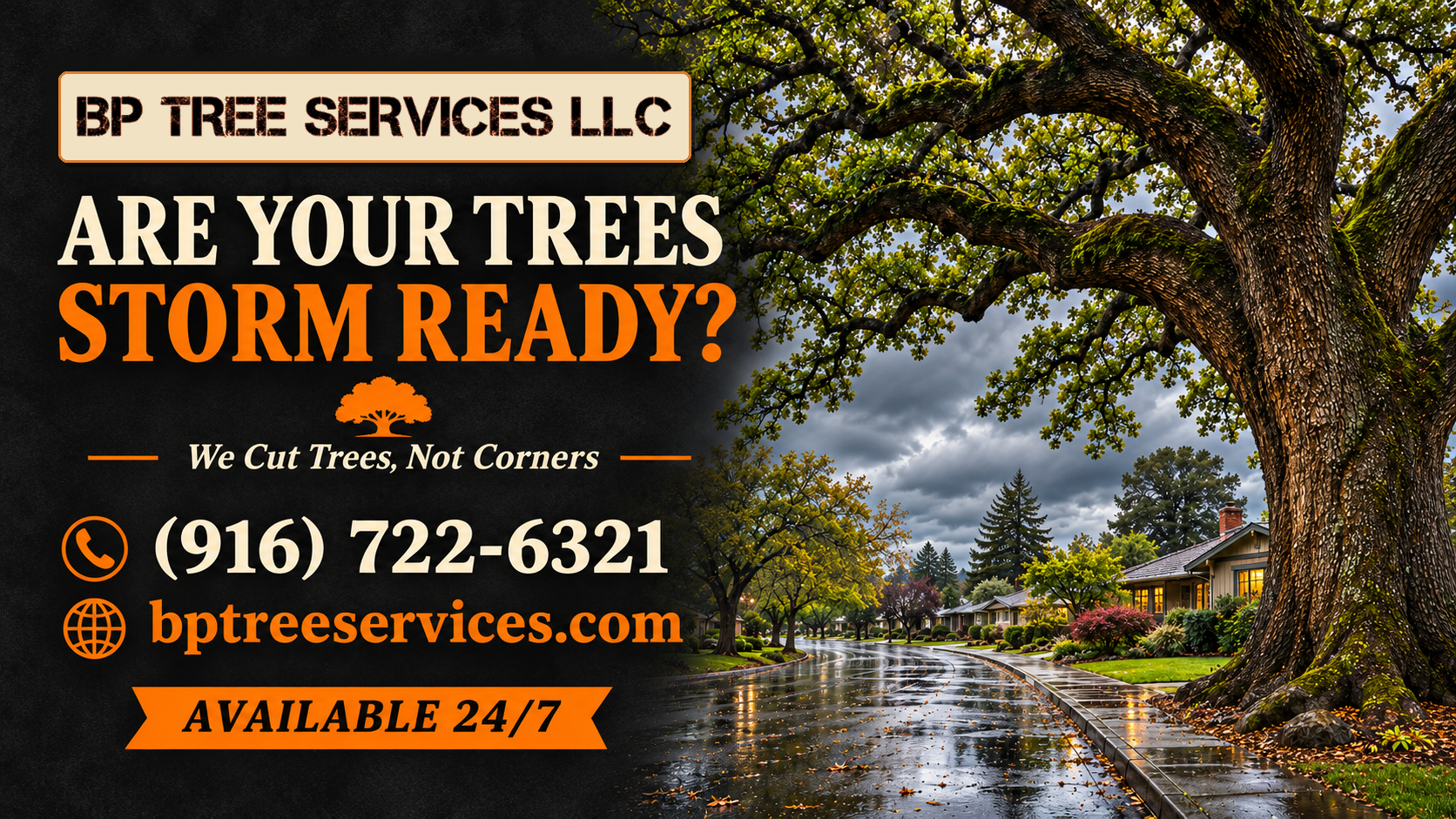
With a strong El Niño developing for the 2026–2027 winter season, now is a good time for Sacramento homeowners to prepare their trees for potentially damaging weather. While El Niño doesn't guarantee heavier rainfall in Northern California, winter storms can bring prolonged rain, saturated soil, and strong winds that put vulnerable trees at risk. A little preparation now could help prevent costly property damage later. Watch for Warning Signs Before the next storm, inspect your trees from the ground. Look for dead or hanging branches, cracks in trunks, weakened limbs, and trees that have recently started leaning. Pay particular attention to large branches extending over roofs, driveways, and walkways. If anything looks concerning, have a certified arborist evaluate the tree before severe weather arrives. Check Drainage and Soil Conditions Heavy rainfall can saturate the soil around a tree's roots, reducing stability and increasing the risk of uprooting during high winds. Clear leaves and debris from drains and downspouts, and watch for standing water around large trees. If water regularly pools near the base of a tree, professional evaluation may be necessary. Prepare Now, Before the Storm Arrives Whether El Niño brings above-average rainfall or simply a few powerful storms, proactive tree maintenance can make a difference. Professional pruning, hazard assessments, and removal of severely compromised trees can help protect your home and property. BP Tree Services LLC has served Sacramento and surrounding communities for more than 50 years. Call (916) 722-6321 to schedule a free ISA arborist consultation and prepare your trees for winter. We also offer 24/7 emergency tree service when storms cause unexpected damage.
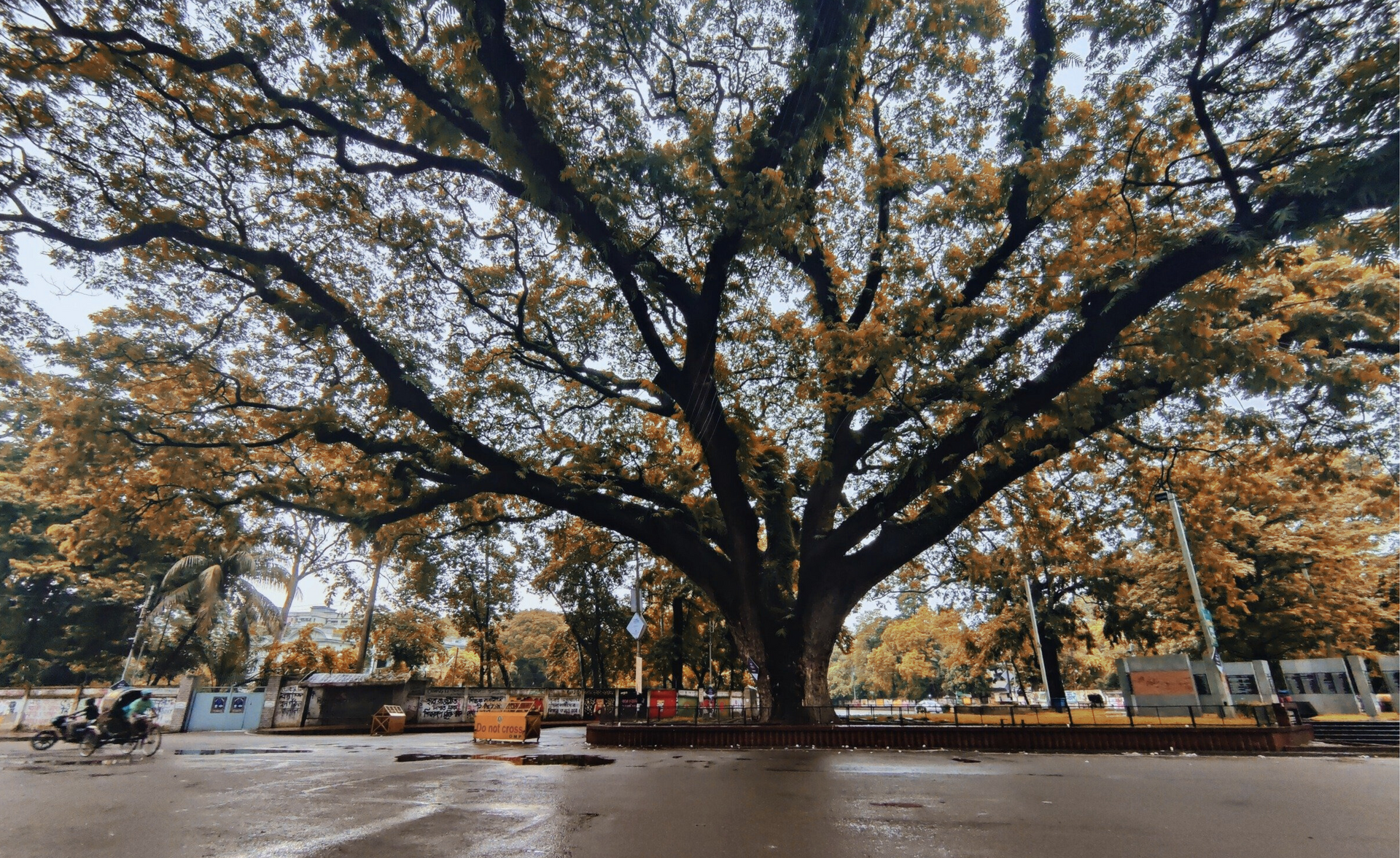
A damaged or unhealthy big tree can create significant safety concerns. Large branches or entire trees can fall during strong winds or other severe weather, potentially damaging your roof, vehicles, power lines, and creating a serious injury risk. Recognizing warning signs early can help you take action before a hazardous tree causes an accident. At BP Tree Services, we can expertly identify and remove hazardous trees. Here are four signs that a tree may be posing a safety hazard to your home. The Tree Is Leaning Toward Your Home A noticeable lean can be a serious concern, particularly when a tree is leaning toward your house or another important structure. While some trees naturally grow at an angle, a sudden or increasing lean may indicate root problems, soil instability, structural weakness, or other issues. An experienced arborist can evaluate the tree and determine whether its position creates a potential hazard. The Trunk Has Splits Cracks, deep splits, and other significant wounds in a tree's trunk can weaken its structural integrity. These problems may become especially concerning when they’re located near major branch unions or extend deeply into the trunk. If you notice substantial cracks or splits, have the tree professionally inspected to determine whether it can be safely maintained or requires removal. Large Dead or Broken Branches Are Present Dead, broken, or hanging branches can become dangerous falling hazards. Large limbs positioned over your roof, driveway, walkways, or other frequently used areas deserve particular attention. Strong winds can cause weakened branches to break unexpectedly. Professional pruning can remove hazardous limbs while helping preserve the tree when appropriate. The Tree Shows Signs of Decay or Disease Decay and disease can weaken a tree from the inside, sometimes without obvious external symptoms. Mushrooms growing around the base, cavities, dead sections, unusual growth patterns, and extensive dieback can all warrant professional attention. An ISA-certified arborist can assess the tree's condition and determine whether pruning, treatment, monitoring, or removal is the safest option for protecting your home. Tree Removal in Sacramento, CA For an experienced arborist in Sacramento and the surrounding area, contact BP Tree Services at (916) 722-6321. Feel free to give us a call to request an arborist estimate in greater Sacramento!
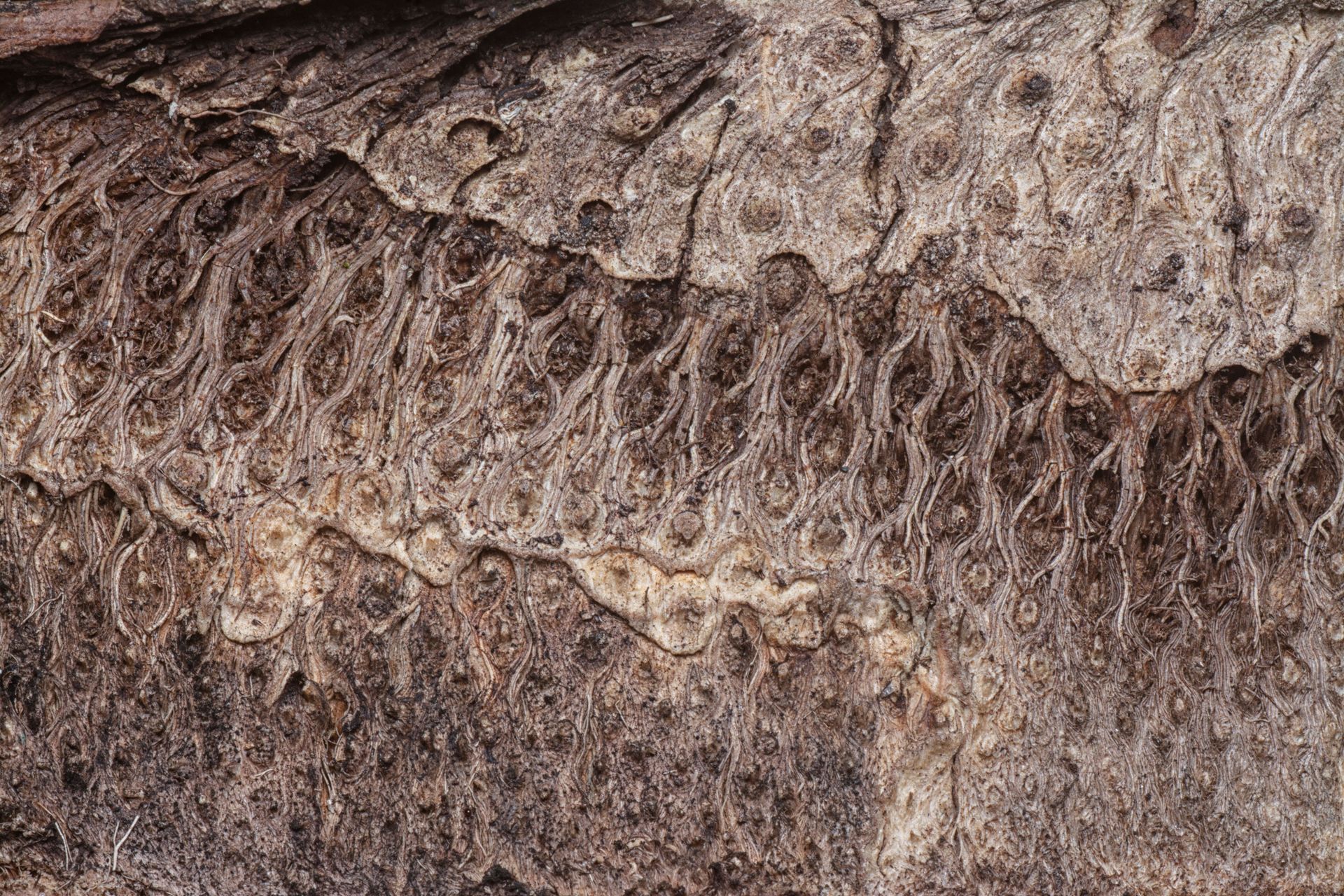
Trees can become vulnerable to diseases caused by fungi, bacteria, insects, and other factors. Some tree diseases develop gradually, making early symptoms easy to overlook. Learning to recognize common warning signs can help you take action before a problem spreads or causes significant damage. At BP Tree Services, our local arborists can identify diseased trees and then determine what steps to take next. Here are four general signs that a tree may be affected by disease. Discolored or Unusual Leaves Changes in the appearance of a tree's leaves can be an early indication of a health problem. Leaves that develop unusual spots, yellowing, browning, or premature discoloration may be showing signs of disease. While seasonal changes and environmental stress can cause similar symptoms, unusual leaf changes that occur outside the normal seasonal pattern deserve attention. A professional can help determine what is causing the discoloration. Dead/Dying Branches Dead branches throughout the canopy may indicate that a tree is struggling with disease or another underlying problem. You may notice branches without leaves, brittle twigs, or sections of the canopy that appear thinner than normal. Removing dead branches can help reduce hazards, but determining why the branches are dying is also important. An arborist can evaluate the tree and look for signs of disease. Unusual Growths or Cankers Some tree diseases cause abnormal growths, lesions, or cankers to develop on branches and trunks. These areas may appear sunken, cracked, swollen, or discolored. Cankers can interfere with the movement of water and nutrients through affected portions of the tree. Because different diseases can produce different symptoms, unusual growths should be professionally evaluated rather than automatically treated with a specific product. Fungal Growth Fungal growth on the trunk or around the base of the tree can be particularly concerning when accompanied by cavities, soft wood, or declining growth. Not every mushroom means a tree is in trouble, but significant fungal growth is worth having evaluated, especially when other warning signs are present. Arborist in Sacramento, CA For an experienced arborist in Sacramento and the surrounding area, contact BP Tree Services at (916) 722-6321. We provide residential and commercial arborist services in Sacramento, CA. Feel free to give us a call to request a local arborist quote!